
MENU
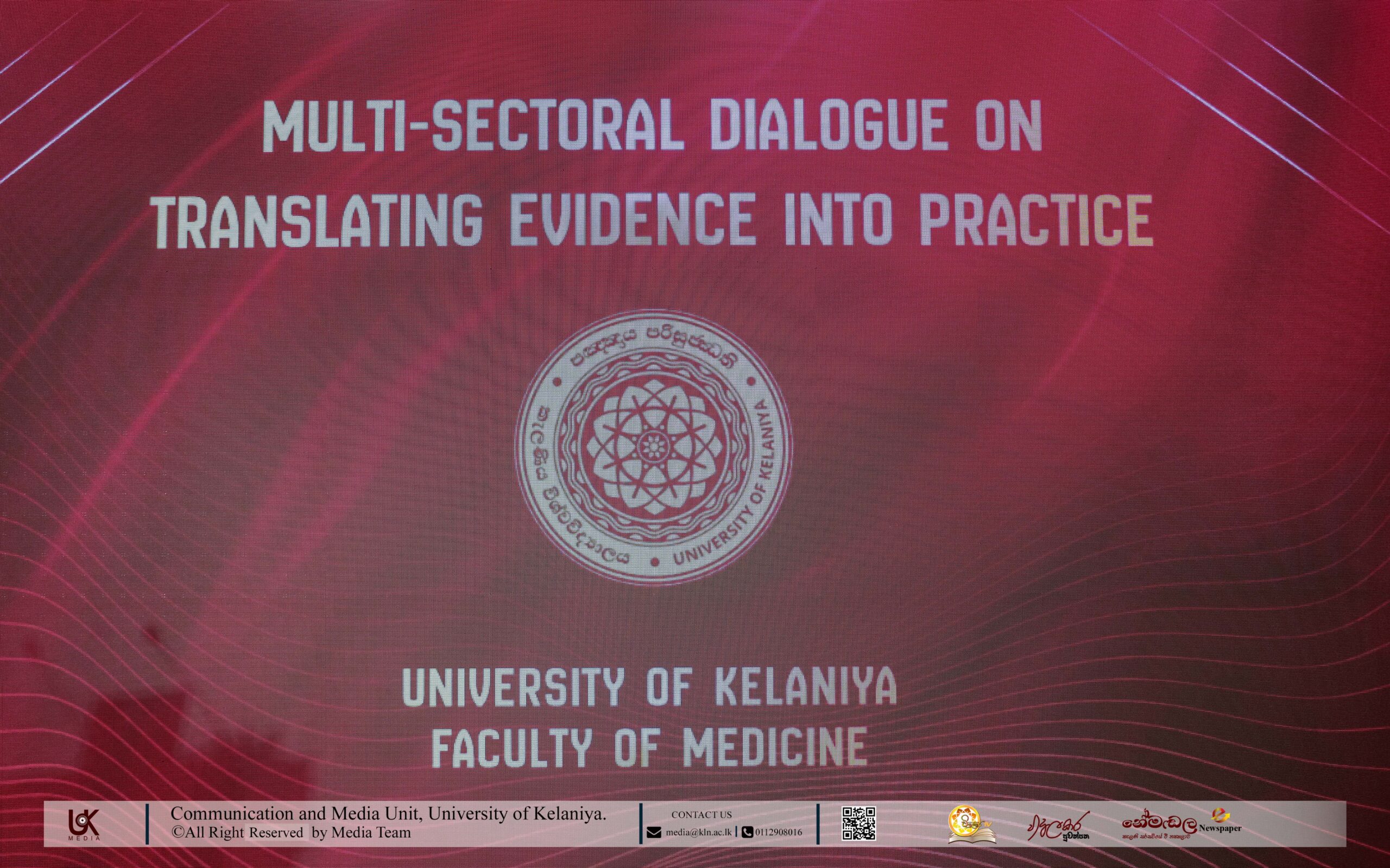
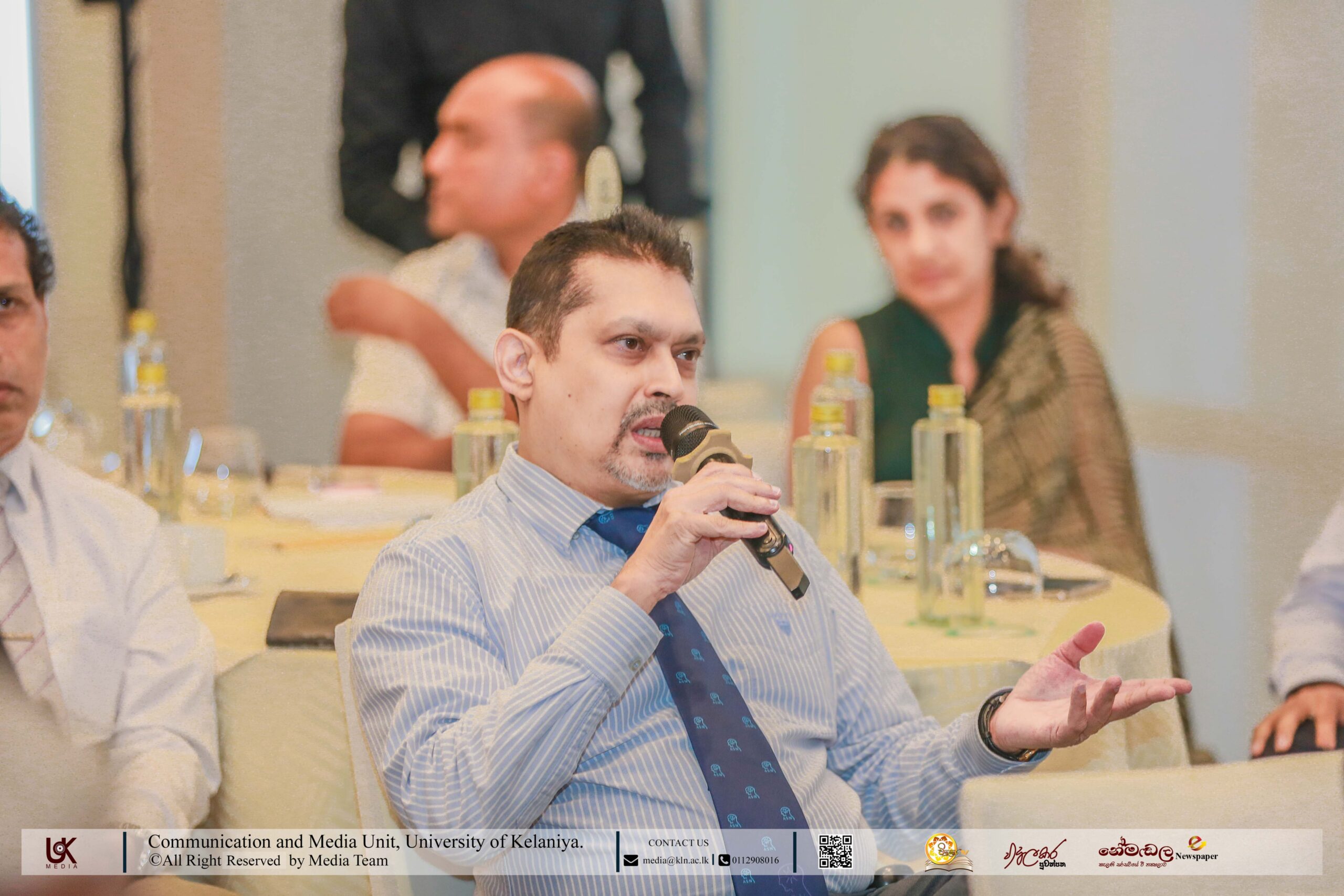
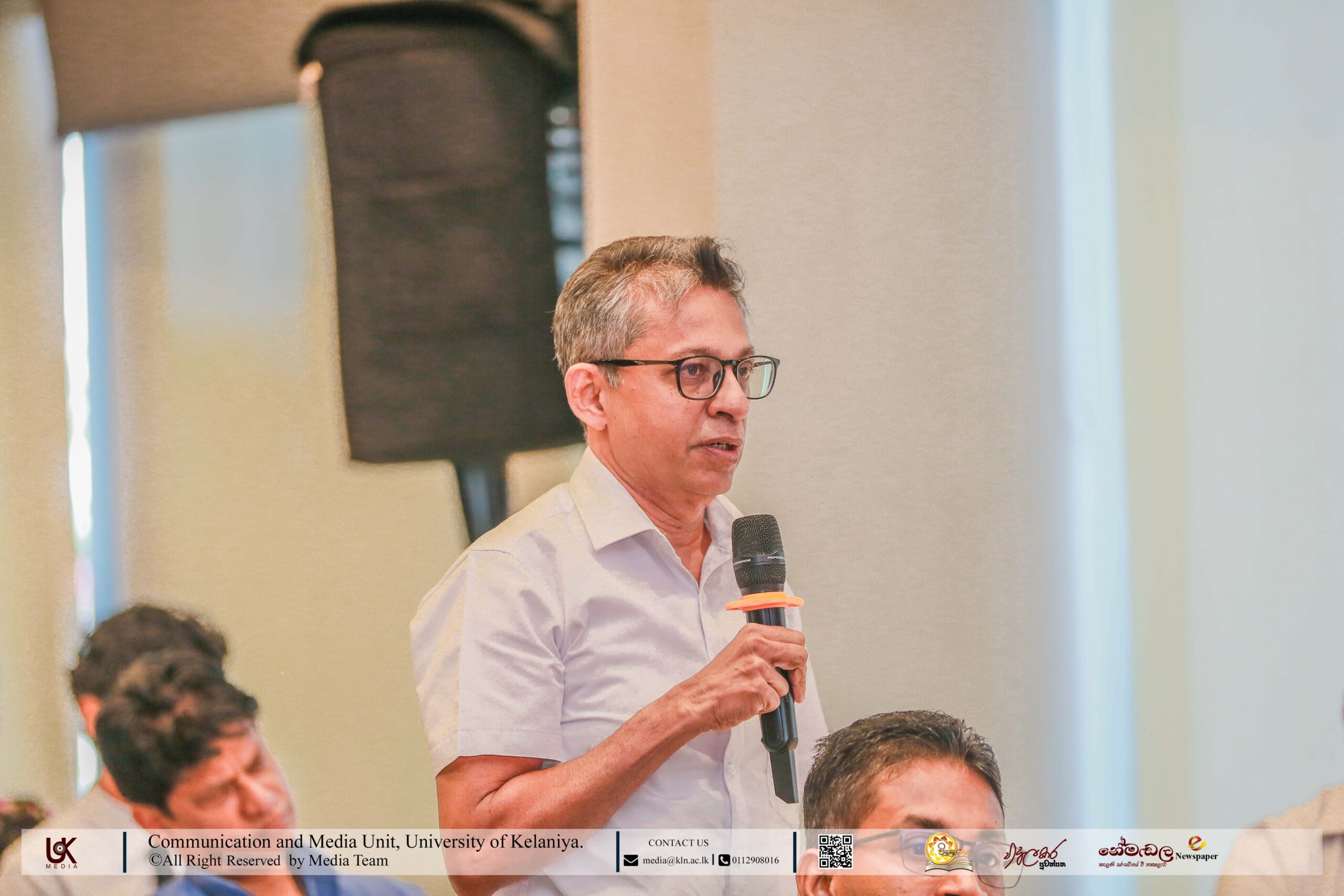
A multi-sectoral scientific forum, “Translating research evidence into clinical practice,” was held on 24 June 2026. Organised by the University of Kelaniya under the leadership of Senior Professor Asita de Silva and convened under the patronage of the Vice-Chancellor, Senior Professor Nilanthi de Silva. The forum brought together a distinguished cross-section of clinicians, researchers, regulators, policymakers, industry experts, and representatives from the World Health Organization.
The forum’s purpose was to advance the national adoption of an innovative low-dose single pill combination of three blood pressure lowering drugs developed over more than a decade of clinical research into routine clinical practice, with the goal of significantly improving blood pressure control among Sri Lankan patients. The treatment combines three widely used blood pressure medicines—Amlodipine, Telmisartan, and Indapamide in low doses into a single once-daily pill. By simplifying treatment, the approach supports better patient adherence and stronger long-term blood pressure control, which is critical in reducing the risk of stroke, heart disease, and other cardiovascular complications.
The evidence generated through these landmark studies has since:
✅ Demonstrated superior blood pressure control compared with conventional treatment approaches.
✅ Reduced the risk of recurrent stroke by 40%.
✅ Been published in leading international medical journals.
✅ Contributed to updates in global hypertension treatment guidelines.
✅ Received U.S. FDA approval.
✅ Been included in the WHO Model List of Essential Medicines.
Remarkably, over 70% of the scientific data supporting this global achievement was generated in Sri Lanka.
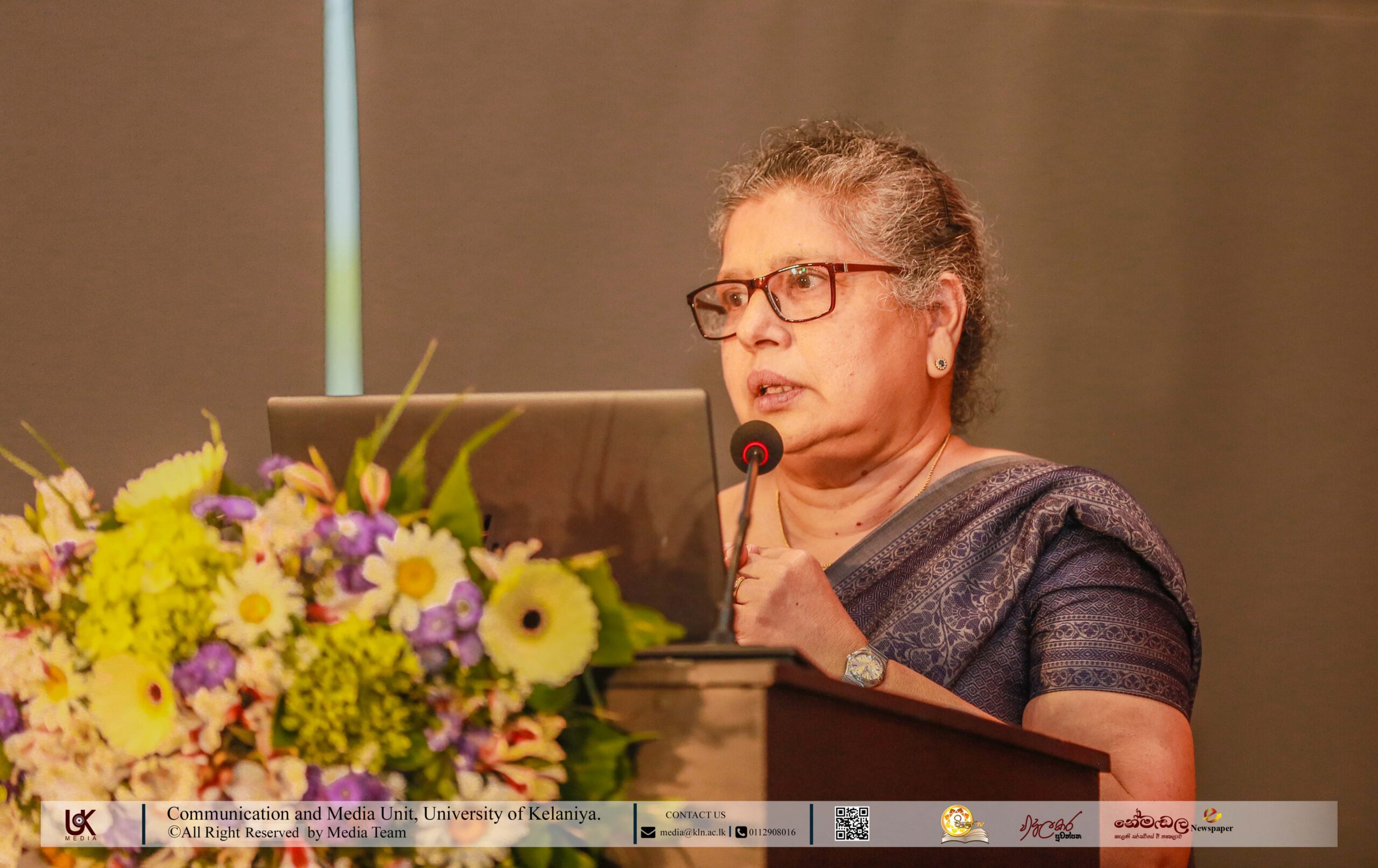
Senior Professor Nilanthi de Silva, opened the proceedings with a powerful reminder of what this achievement represents:
“It is a success story that is not confined to the University of Kelaniya. It is a success story that celebrates the achievements of Sri Lanka, and Sri Lanka’s education. We must appreciate what we have in this country.”
She also emphasised “We have a strong health system and health network in this country. But we must not forget our international collaborators. Health is all about improving outcomes for people in the country.”
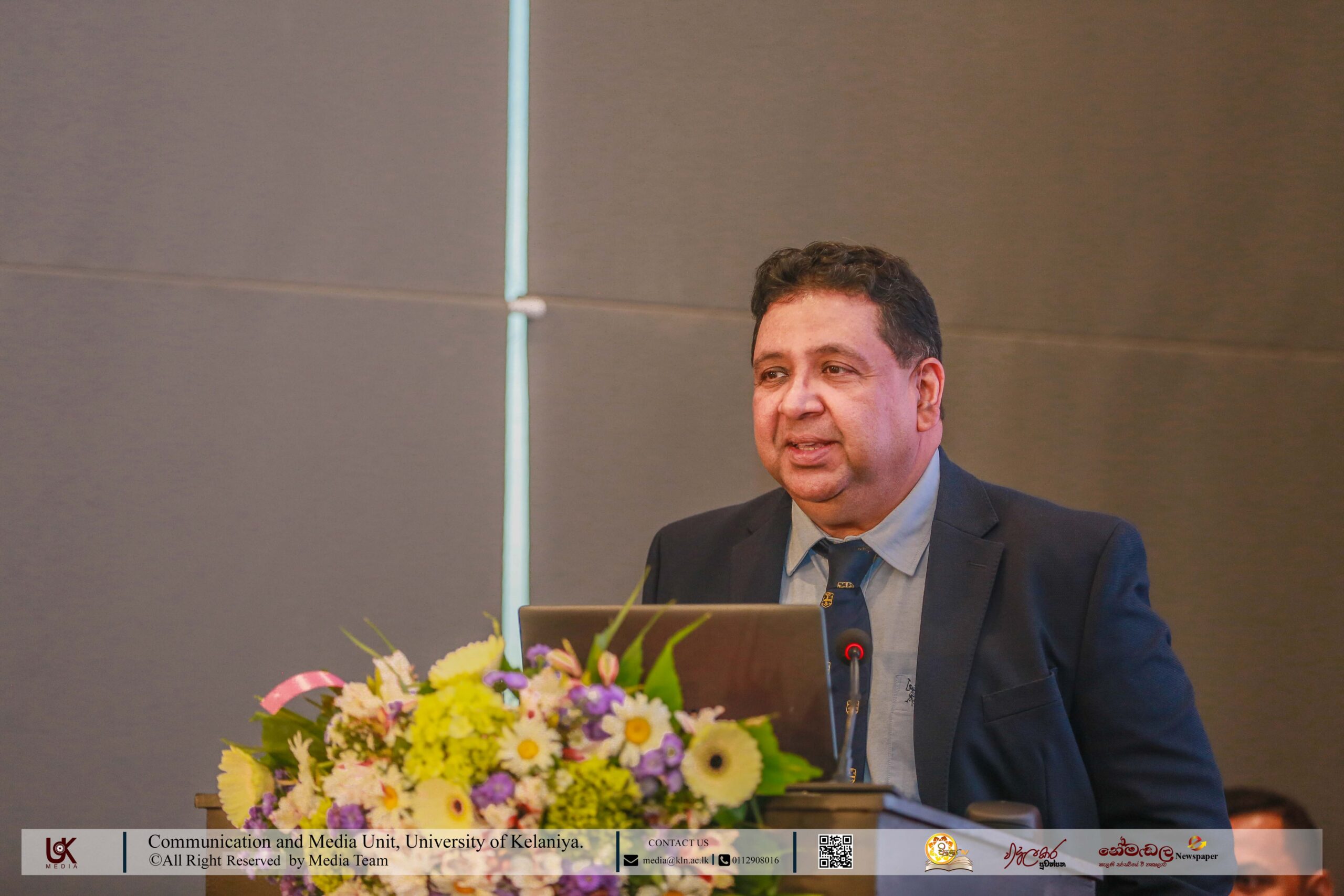
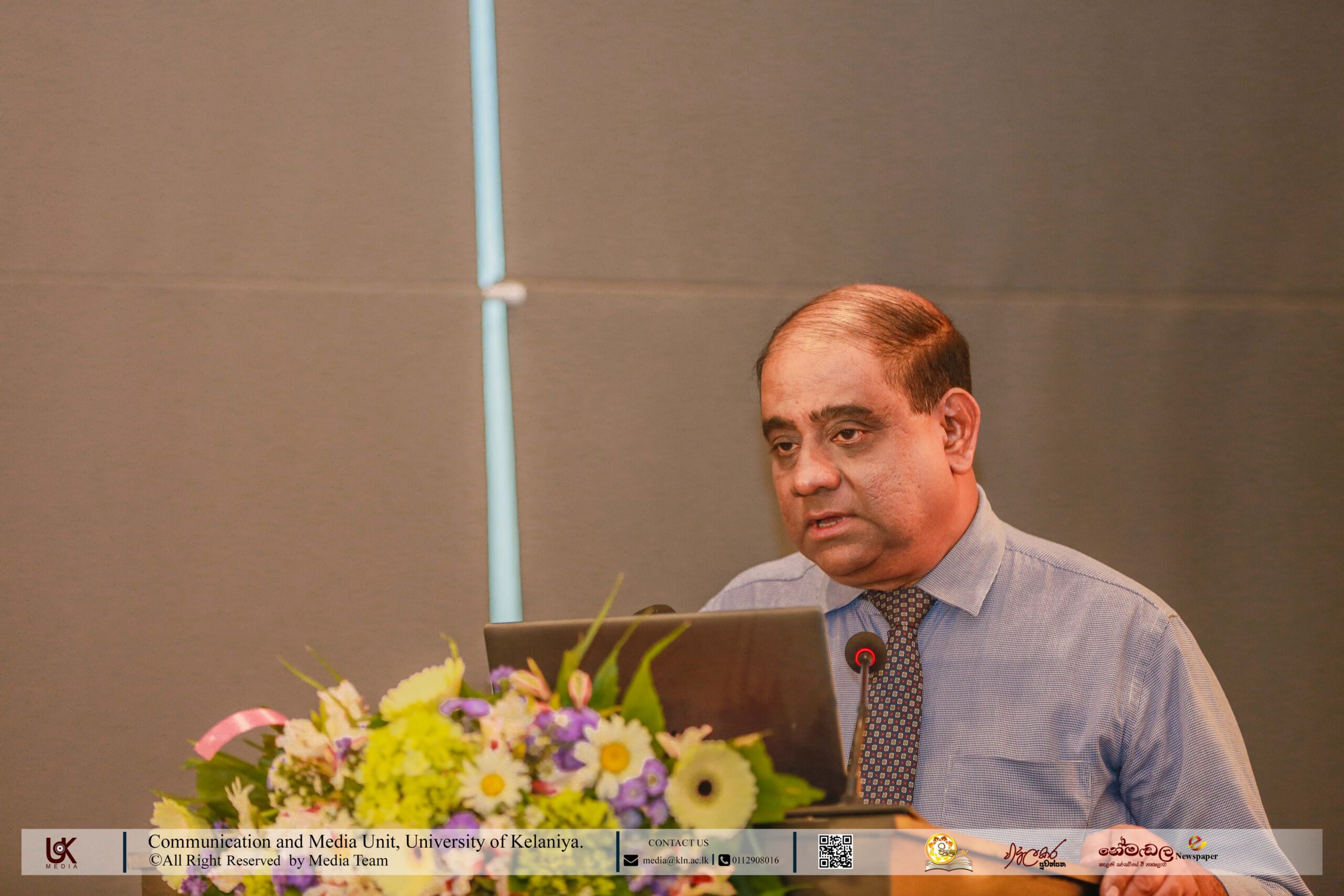
Senior Professor Asita de Silva, has spent over a decade leading this research. On the treatment itself, he stated “Clinical trials conducted by us with Sri Lankan clinicians and international collaborators during the last 10 years have shown a triple low dose combination of blood pressure lowering drugs in a single pill is a very strong approach to control blood pressure compared to routine approaches in clinical practice today.”
He also highlighted the global burden of uncontrolled hypertension, noting that about 20% of global deaths today are due to uncontrolled hypertension, calling it a serious problem. On the impact of the therapy, he emphasised “We have now very clearly shown sustained and long- term control of blood pressure with this approach can reduce the risk of recurrent stroke dramatically. This is a game changer.”
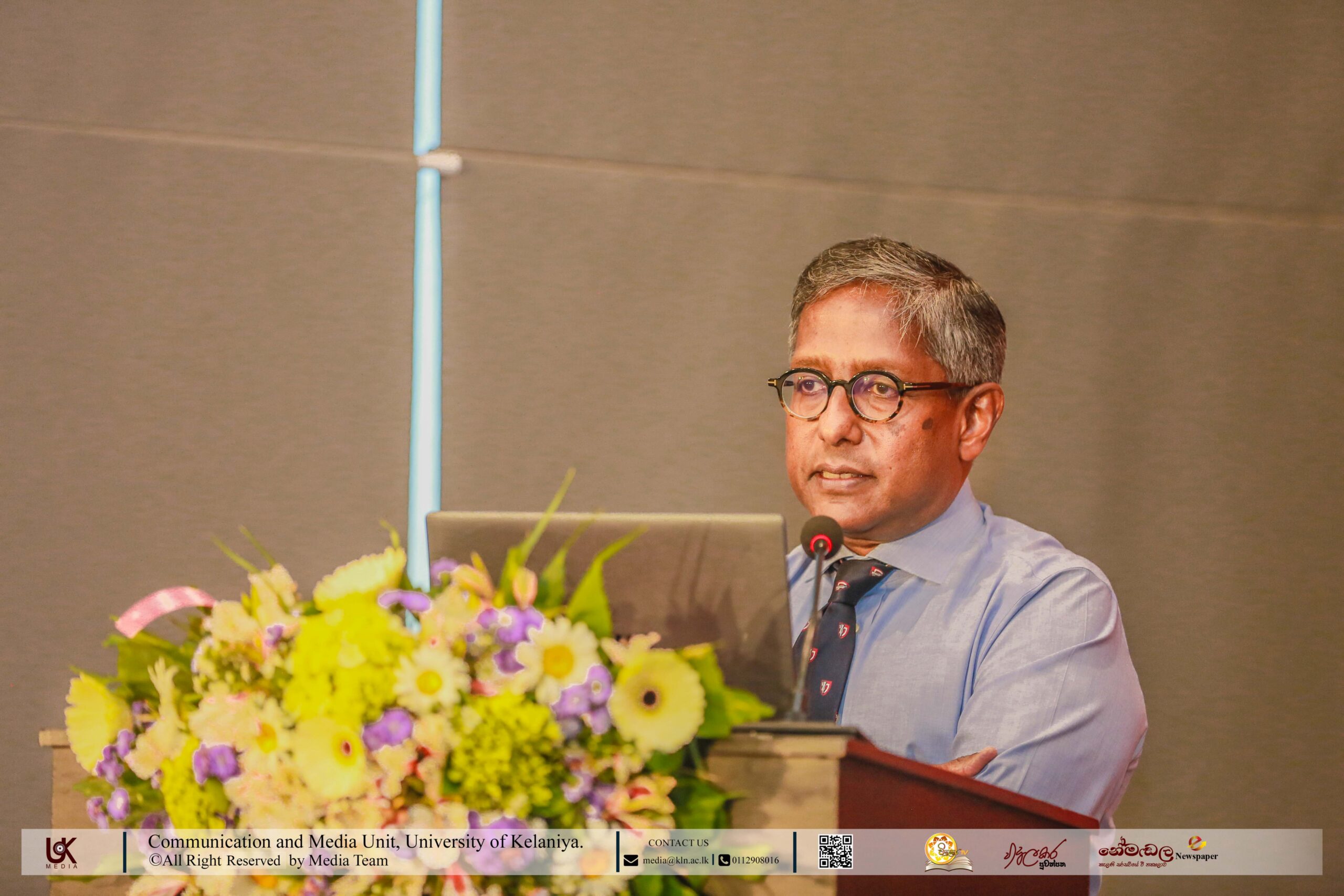
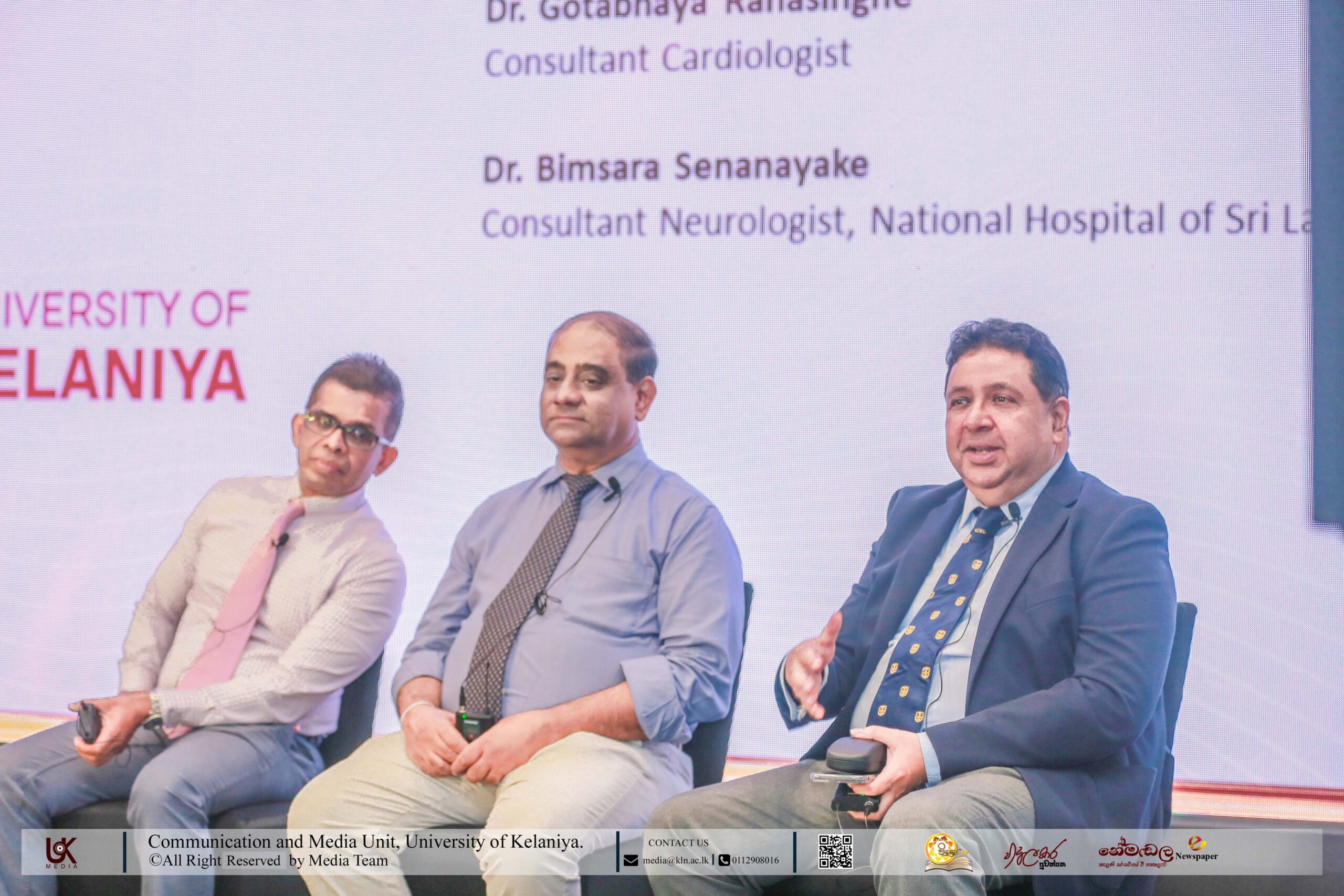
Dr. Gamini Galappatthy, Consultant Cardiologist at the National Hospital of Sri Lanka, spoke from the front lines. “Only 54% of adults with hypertension are diagnosed worldwide. From the 54% diagnosed, only40% receive treatment. That is the sad part. So, the three in one pill is the answer.”
According to the WHO, an estimated 600 million adults globally (about 44% of those with the condition) are completely unaware they have hypertension. Because it produces almost no noticeable symptoms, it is frequently referred to as a “silent killer.
Senior Professor Nilanthi de Silva emphasised that the Clinical Trials Unit has rendered a great service to the country, and that Sri Lanka has a strong health system and health network. She also reminded the audience: “We have a strong health system and health network in this country. But we must not forget our international collaborators. Health is all about improving outcomes for people in the country.”
The forum marked a critical transition from evidence generation to evidence implementation, focusing on practical steps such as:
The forum also provided mission-aligned pharmaceutical manufacturers a platform to partner with academic research institutions to develop innovative medicines that could potentially generate economic benefit for the country.
The call for action is clear: we have the evidence. Now we must deliver.