
MENU
Dengue is one of the most rapidly spreading mosquito-borne viral diseases worldwide, placing nearly half of the global population at risk. The disease is caused by four closely related dengue virus serotypes and is transmitted primarily by Aedes mosquitoes. Each year, hundreds of millions of infections occur globally, with severe cases leading to hospitalization and potentially life-threatening complications such as dengue haemorrhagic fever and dengue shock syndrome.
Countries across Asia, Latin America, and other tropical regions carry a particularly heavy burden, highlighting the urgent need for effective vaccines capable of providing broad protection against all dengue virus serotypes.
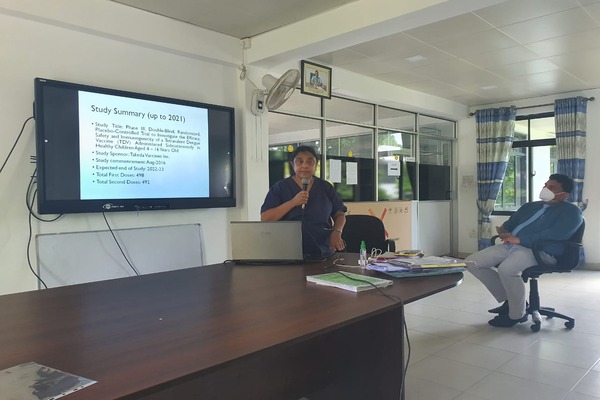
The Phase 3 Tetravalent Immunization against Dengue Efficacy Study (TIDES) evaluated the safety and efficacy of a tetravalent dengue vaccine candidate developed to protect against all four dengue virus serotypes.
This randomized, double-blind, placebo-controlled clinical trial enrolled more than 20,000 children and adolescents aged 4–16 years across multiple dengue-endemic countries, including Sri Lanka, Thailand, Brazil, Colombia, Panama, the Philippines, and others.
Participants were randomly assigned in a 2:1 ratio to receive either the dengue vaccine candidate or placebo. The study regimen consisted of two doses administered three months apart, followed by long-term monitoring to assess vaccine protection and safety.
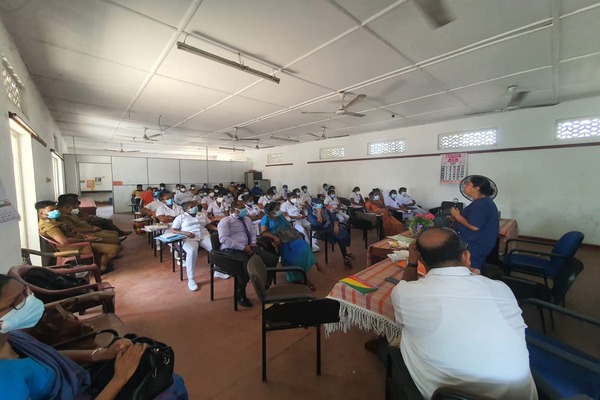
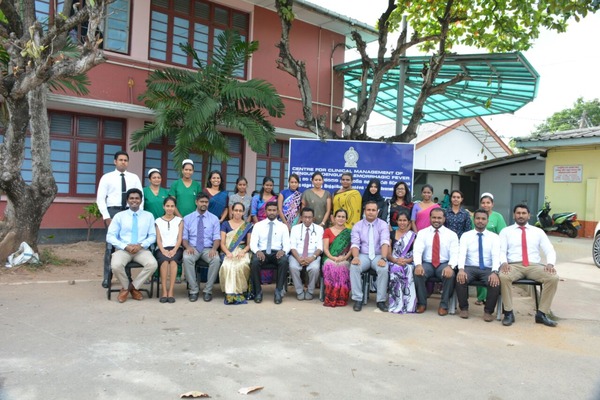
Sri Lanka played an important role in the multinational trial (SLCTR/2016/019).
Clinical research teams in Sri Lanka contributed to:
The involvement of Sri Lankan research sites provided valuable epidemiological insights from a region with significant dengue transmission, strengthening the global evidence base for the vaccine’s effectiveness. Across participating Sri Lankan sites, retention reached approximately 98.7% over a seven-year follow-up period, highlighting the strength of site coordination, community engagement, and participant management strategies.
The study incorporated robust clinical trial procedures designed to ensure accurate detection and evaluation of dengue cases.
Key methodological components included:
This approach enabled researchers to assess vaccine performance across different populations, including both dengue-naïve individuals and those previously exposed to the virus.
The trial demonstrated promising outcomes for the tetravalent dengue vaccine candidate:
Long-term follow-up studies further showed sustained protection several years after vaccination, reinforcing the vaccine’s potential role in reducing the global dengue burden.
Read More: https://www.thelancet.com/journals/langlo/article/PIIS2214-109X(23)00522-3/fulltext